Mold in Multi-Family Properties: Shared Costs and Solutions in Belmont
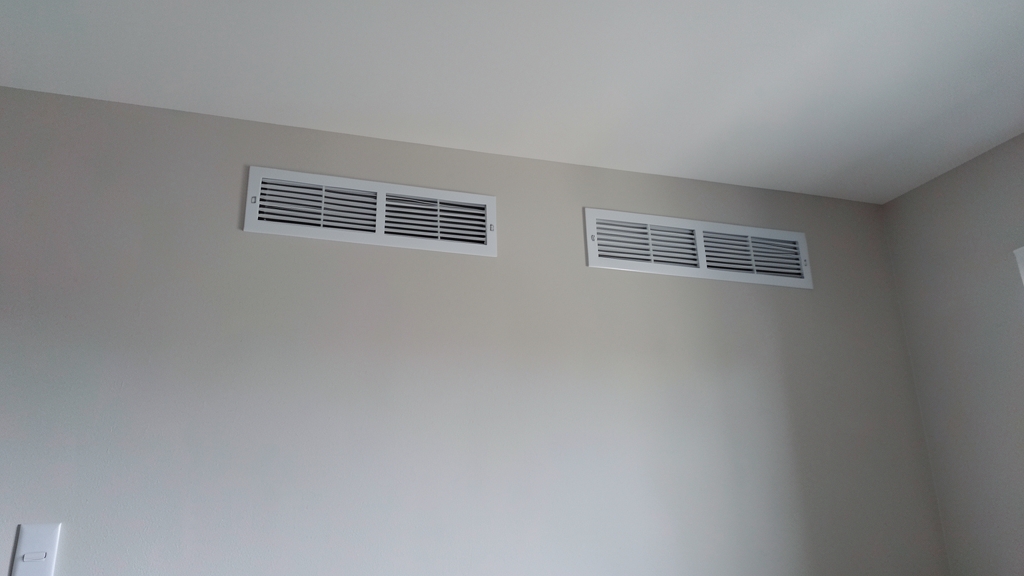
Mold in multi-family buildings isn’t just a tenant problem—it’s a structural and legal issue that affects everyone from property owners to HOAs. In Belmont’s mild, damp climate, shared walls and aging plumbing make these properties especially vulnerable. We break down the costs, responsibilities, and remediation strategies tailored to local multi-family challenges.
Why Multi-Family Properties in Belmont Are Mold Prone
Belmont’s coastal climate means consistent humidity, especially in winter. Multi-family buildings often lack proper ventilation in shared spaces like laundry rooms or basements, trapping moisture.
Leaks from shared plumbing stacks or flat roofs can go unnoticed for months, feeding mold behind walls or under flooring. Tenants may not report minor water stains, letting colonies grow unchecked.
Older constructions in neighborhoods like Ralston or Twin Pines often have poor vapor barriers. Without moisture control, even small condensation issues escalate into full-blown infestations.
Who’s Responsible for Mold in a Multi-Family Building?
Responsibility hinges on the cause. Landlords or property managers are typically liable for mold stemming from structural defects, like roof leaks or faulty HVAC systems.
Tenants may bear costs if their actions—like ignoring a burst pipe or blocking vents—directly caused the issue. HOAs in Belmont often split liability for common areas, but bylaws vary.
Disputes arise over ‘who knew what, and when.’ Documentation from mold inspections and moisture tests is critical to assign accountability fairly.
California law doesn’t explicitly require landlords to disclose past mold issues. Always demand a recent mold inspection report before purchasing or leasing.
Shared Costs: How Multi-Family Mold Remediation Is Funded
Costs often split between owners, HOAs, and tenants based on fault. If the mold originates in a common area (e.g., a shared crawl space in San Carlos or Redwood City), the HOA usually covers remediation.
For unit-specific issues, the landlord’s insurance may pay—if the policy includes mold coverage. Tenants’ renters insurance rarely covers remediation but might address personal property damage.
Preventative measures, like improving attic ventilation or sealing crawl spaces, are typically a shared investment. Proactive spending here avoids costly remediation later.
| Scenario | Responsible Party | Key Factors |
|---|---|---|
| Common area mold (e.g., basement, hallway) | HOA | Bylaws, reserve funds |
| Unit-specific mold from structural defect | Landlord/Owner | Insurance coverage, lease terms |
| Tenant-caused mold (e.g., ignored leak) | Tenant | Lease violations, negligence |
| Preventative upgrades (e.g., dehumidifiers) | Shared (HOA + Owners) | Long-term ROI, local climate risks |
Unique Challenges of Multi-Family Mold Remediation
Containment is harder. Mold spores travel through shared HVAC systems or open doorways between units. We use negative air pressure and HEPA filtration to isolate work zones.
Access can be limited. Coordinating with multiple tenants for entry, especially in occupied units, delays projects. Evening or weekend work is often necessary.
Reinfection risks are high. If one unit is treated but adjacent spaces remain damp, mold returns. A building-wide moisture audit is essential for lasting results.
Schedule remediation during tenant turnover to minimize disruption. Always test adjacent units post-remediation to confirm containment.
Step-by-Step Remediation for Multi-Family Buildings
We start with a thorough mold inspection and air quality testing to identify the species and extent. Thermal imaging helps locate hidden moisture in walls or ceilings.
Containment barriers are erected around affected areas. For large buildings, we may create multiple zones to prevent cross-contamination between units.
HEPA vacuums and antimicrobial treatments remove spores and prevent regrowth. Porous materials like drywall or carpeting are often removed if heavily contaminated.
Preventing Mold in Belmont’s Multi-Family Properties
Moisture control is non-negotiable. Install exhaust fans in bathrooms and kitchens, and ensure they vent outside—not into attics or crawl spaces.
Regular inspections of plumbing, roofs, and HVAC systems catch leaks early. In older buildings, upgrading insulation in attics or crawl spaces reduces condensation.
Educate tenants on mold prevention. Simple habits, like using dehumidifiers in damp seasons or reporting leaks immediately, can prevent costly remediation.
Multi-Family Mold Prevention Checklist
- Inspect shared plumbing and roofing annually
- Install vapor barriers in crawl spaces and basements
- Ensure all units have adequate ventilation
- Monitor humidity levels (ideally below 50%)
- Conduct post-storm moisture checks in common areas
When to Call a Professional for Multi-Family Mold
DIY fixes rarely work for multi-family mold. If the affected area exceeds 10 square feet, or if mold is in HVAC systems, professional remediation is mandatory.
Visible mold is often just the tip of the iceberg. If tenants report musty odors or health symptoms (e.g., allergies, respiratory issues), assume hidden growth exists.
For Belmont properties, local experts understand the region’s climate and building codes. We tailor solutions to multi-family structures, from San Mateo to Foster City.
How to Document Mold for Insurance or HOA Claims
Proper documentation speeds up approvals and ensures fair cost allocation.
- 1Photograph the Mold and Damage
Take date-stamped photos of all visible mold, water stains, and damaged materials. Include wide shots and close-ups.
- 2Record Moisture Levels
Use a moisture meter to log readings in affected and adjacent areas. Note the date, time, and location of each test.
- 3Collect Tenant Statements
Gather written accounts from tenants about when they first noticed the issue and any health symptoms experienced.
- 4Hire a Mold Inspector
A third-party inspection report provides unbiased evidence of the mold’s extent, type, and likely cause.
- 5Save All Communication
Keep emails, texts, and maintenance requests related to the issue. These prove timelines and responsibility.
- 6Get a Remediation Estimate
Request a detailed quote from a remediation company outlining the scope of work and projected costs.
Frequently Asked Questions
Can mold in one Belmont apartment spread to others?
Absolutely. Mold spores travel through air ducts, shared walls, or even on clothing. Without proper containment during remediation, spores can reinfect neighboring units. We always test adjacent spaces post-treatment.
Does homeowners insurance cover mold in multi-family properties?
It depends on the policy and the cause. Most standard policies exclude mold unless it’s a direct result of a covered peril, like a burst pipe. HOAs and landlords often need separate mold endorsements.
How long does multi-family mold remediation take?
Timelines vary by size and complexity. A single-unit treatment might take 1–3 days, while a full building remediation (e.g., in a San Carlos complex) could span weeks. Tenant coordination and drying times are the biggest variables.
What’s the most common source of mold in Belmont multi-family buildings?
Plumbing leaks in shared walls or slab foundations are the top culprit. Flat roofs and poor attic ventilation are also frequent issues, especially in older buildings near the bay.
Are landlords required to disclose past mold issues to new tenants in Belmont?
California law doesn’t mandate mold disclosure, but landlords must address habitability issues. Ethical property managers provide mold inspection histories to avoid future disputes.
Can mold remediation be done in stages for large multi-family properties?
Yes, but it’s risky. Phased remediation can save costs upfront, but if containment fails, mold may spread between stages. We recommend addressing all affected areas simultaneously for best results.