Mold Prevention Strategies for New Constructions in Belmont
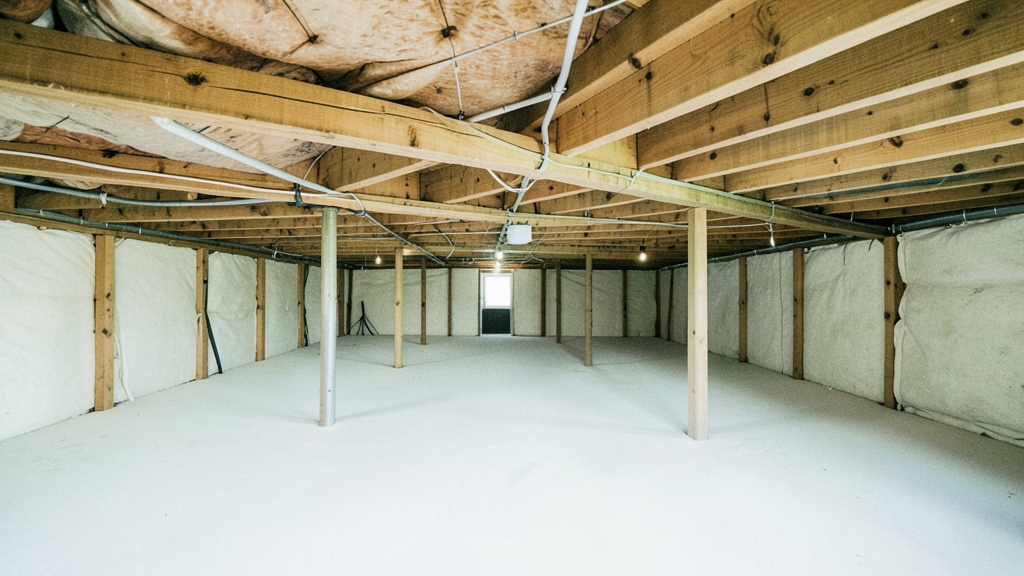
New constructions in Belmont’s mild, wet winters and dry summers demand proactive mold prevention. Without it, hidden moisture can compromise air quality, structural integrity, and your project’s reputation. We specialize in designing out mold risks before they take root.
Why Mold Prevention Starts Before the Foundation
Mold spores are everywhere—even in clean, new builds. They only need moisture, organic material (like wood or drywall), and 24–48 hours to colonize. Prevention begins with site selection and grading to divert water away from the structure.
Belmont’s clay-heavy soil retains water, increasing hydrostatic pressure against foundations, and poor drainage here often leads to future moisture issues.
Critical Building Envelope Strategies
A tight, well-insulated building envelope is your first defense. Use moisture-resistant materials like treated wood, cement board, or closed-cell spray foam for exterior walls and roofs.
In coastal areas like San Carlos and Redwood City, salt air accelerates material degradation. Specify corrosion-resistant fasteners and sealants to maintain envelope integrity.
Install vapor barriers on the warm side of walls. In Belmont’s climate, that’s typically the interior. This prevents condensation within wall cavities.
Ventilation: The Silent Mold Killer
Mechanical ventilation is non-negotiable in new builds. Bathrooms, kitchens, and laundry rooms must exhaust moisture directly outside—not into attics or crawl spaces.
For attic mold remediation prevention, ridge vents and soffit vents create passive airflow. In tightly sealed homes, add energy-recovery ventilators (ERVs) to balance humidity without energy loss.
Crawl Spaces and Basements: Belmont’s Hidden Risk Zones
Crawl spaces in Belmont often suffer from poor airflow and ground moisture. Encapsulation with a 20-mil vapor barrier, sealed vents, and a dehumidifier system can eliminate 90% of mold risks.
Basements require interior or exterior waterproofing, sump pumps, and grading. Without these, water intrusion is inevitable—especially in low-lying neighborhoods near Foster City.
Crawl Space Mold Prevention Checklist
- Install a continuous vapor barrier over soil
- Seal all vents and gaps
- Add a dedicated dehumidifier (set to 50% RH or lower)
- Use moisture-resistant insulation (e.g., rigid foam board)
- Ensure proper grading slopes away from the structure
Material Choices That Resist Mold Growth
Not all materials are equal. Paper-faced drywall, carpet padding, and fiberglass insulation absorb moisture and feed mold. Opt for paperless drywall, ceramic tile, and closed-cell foam instead.
For flooring, luxury vinyl plank (LVP) or polished concrete outperform carpet in moisture-prone areas. In commercial builds, epoxy coatings on concrete slabs add another layer of protection.
| Material | Mold Resistance | Best For |
|---|---|---|
| Paperless drywall (e.g., DensArmor) | High | Walls in bathrooms, basements |
| Fiberglass insulation | Low | Avoid in damp areas |
| Closed-cell spray foam | High | Exterior walls, attics |
| Carpet with organic padding | Very Low | Avoid in basements, bathrooms |
| Ceramic or porcelain tile | High | Floors, showers |
| OSB (Oriented Strand Board) | Moderate | Sheathing (seal edges) |
HVAC Systems: Your Moisture Control Workhorse
Improperly sized HVAC systems create humidity imbalances. Oversized units cool quickly but don’t run long enough to dehumidify, while undersized systems struggle in Belmont’s summer heat.
Specify variable-speed systems with built-in dehumidification modes. In commercial spaces, dedicated outdoor air systems (DOAS) separate ventilation from temperature control for better moisture management.
HVAC systems that short-cycle (turn on/off rapidly) fail to remove moisture effectively. Ensure proper sizing and zoning for consistent runtime.
Construction Phase Moisture Management
New builds often trap moisture during construction. Cover materials, use temporary dehumidifiers, and avoid enclosing the structure before framing and insulation are dry.
Schedule moisture-sensitive tasks (like drywall installation) after heavy rain seasons. In San Mateo County, late spring to early fall offers the driest conditions for critical phases.
Post-Construction: Testing and Validation
Even with prevention measures, verify success. Post-construction mold testing and air quality testing identify hidden issues before occupancy. We use spore traps and moisture meters to confirm safe levels.
For commercial projects, third-party certification (e.g., LEED or WELL) often requires documented moisture control plans. This adds value and peace of mind for tenants in San Carlos or Redwood City.
How to Design a Mold-Resistant New Construction
Follow these steps to minimize mold risks in your Belmont project from day one.
- 1Conduct a Site Assessment
Evaluate grading, soil type, and drainage patterns. Plan for water diversion (e.g., French drains, swales) before breaking ground.
- 2Specify Mold-Resistant Materials
Choose paperless drywall, closed-cell insulation, and moisture-resistant flooring. Avoid organic materials in high-moisture areas.
- 3Seal the Building Envelope
Use vapor barriers, flashings, and sealants to prevent water intrusion. Pay special attention to windows, roofs, and foundation penetrations.
- 4Install Proper Ventilation
Design mechanical ventilation for bathrooms, kitchens, and crawl spaces. Include passive ventilation (e.g., ridge vents) for attics.
- 5Control Humidity During Construction
Use dehumidifiers and tarps to protect materials. Delay drywall installation until framing moisture content is below 19%.
- 6Test Before Occupancy
Perform mold testing and air quality testing to validate your prevention efforts. Address any issues before move-in.
Frequently Asked Questions
What are the most common mold-prone areas in new Belmont homes?
Crawl spaces, basements, and attics top the list due to poor ventilation and moisture buildup. Bathrooms and kitchens are also high-risk if not properly exhausted. Even new builds in San Mateo or Redwood City face these challenges without proactive design.
How does Belmont’s climate affect mold prevention strategies?
Belmont’s mild, wet winters and dry summers create a cycle of moisture absorption and release in materials. Prevention must account for seasonal humidity swings, unlike drier inland climates. Coastal proximity also introduces salt air, which can degrade sealants faster.
Can mold-resistant materials eliminate the need for ventilation?
No. Mold-resistant materials buy time but don’t replace proper ventilation. Even the best materials will fail if moisture is trapped. Mechanical ventilation is critical in tightly sealed modern homes.
What’s the cost of fixing mold issues in new constructions?
Costs vary widely based on the extent of contamination, materials affected, and whether structural repairs are needed. Factors include the size of the area, type of mold, and accessibility (e.g., crawl space vs. attic). Request a quote for an accurate assessment.
Are there local building codes in Belmont that address mold prevention?
California’s Building Code (CBC) includes moisture control provisions, but Belmont doesn’t have unique mold-specific ordinances. However, following best practices (e.g., vapor barriers, ventilation) aligns with state energy and health codes. We stay updated on San Mateo County requirements.
How often should new constructions be inspected for mold?
Inspect during critical phases: after framing, before drywall, and post-construction. For ongoing prevention, annual checks are wise—especially in high-risk areas like crawl spaces or basements. In commercial properties, quarterly inspections may be warranted.