Mold vs. Mildew: Which Is Worse for Your Belmont Home’s Air Quality?
Homeowners often confuse mold and mildew, but the differences matter—especially in our damp Bay Area climate. We break down which poses the bigger threat to your indoor air and what to do about it.
Mold and Mildew: Not the Same Problem
Mildew is a surface-level fungus, usually white or gray, that thrives on moist, flat areas like shower tiles or window sills. It’s unsightly but rarely structural.
Mold, however, penetrates porous materials like drywall, wood, or insulation. It spreads rapidly, often hidden behind walls or under flooring, and can compromise air quality far more severely.
Health Risks: Why Mold Demands More Urgency
Mildew may trigger mild allergies—sneezing, itchy eyes—but its spores are less likely to become airborne in large quantities. Still, prolonged exposure can irritate lungs, especially in sensitive individuals.
Mold releases mycotoxins in some species (like Stachybotrys, or ‘black mold’), which can cause respiratory issues, headaches, or even neurological symptoms. In Belmont’s older homes, poor attic or crawl space ventilation often accelerates mold growth.
If you smell a musty odor or see discoloration, don’t wait. Mold can spread within 24–48 hours after water exposure. Request a quote for inspection.
How Climate in San Mateo County Fuels Growth
Our mild, wet winters and coastal humidity create ideal conditions for both mold and mildew. Even in drier months, poor drainage or leaky pipes in San Carlos or Redwood City homes can sustain hidden colonies.
Attics and crawl spaces are hotspots. Without proper airflow, condensation builds up—especially in neighborhoods near the bay where fog lingers. That’s why we often pair remediation with moisture control upgrades.
Spotting the Difference: Visual and Sensory Clues
Mildew looks powdery or downy and stays on the surface. Wipe it with bleach, and it may disappear—temporarily. Mold appears fuzzy, slimy, or dark (green, black, or brown) and often leaves stains even after cleaning.
The smell is a dead giveaway. Mildew has a mild, earthy odor. Mold emits a strong, musty stench that lingers, signaling deeper contamination.
| Feature | Mildew | Mold |
|---|---|---|
| Appearance | White/gray, powdery or downy | Green, black, brown; fuzzy or slimy |
| Growth Pattern | Surface-level | Penetrates materials |
| Smell | Mild, earthy | Strong, musty |
| Health Impact | Mild allergies | Respiratory issues, mycotoxins |
| Removal Difficulty | DIY with cleaning | Often requires professional remediation |
When to Call in the Experts
For mildew, a thorough scrub with a mold-killing primer may suffice. But if the affected area exceeds 10 square feet—or if you suspect hidden mold—our team uses moisture meters and thermal imaging to assess the extent.
In Belmont, we frequently handle cases where a small leak in Foster City or San Mateo led to widespread mold in drywall or subflooring. Air quality testing confirms spore levels before and after remediation.
Peeling paint, warped walls, or persistent allergies can signal hidden mold. Don’t ignore these signs—schedule a mold inspection.
The Remediation Process: What to Expect
We start with containment to prevent spores from spreading. Negative air pressure and HEPA filters keep particles isolated during removal. Porous materials like insulation or drywall are often removed and replaced.
Next, we treat surfaces with antimicrobial solutions and address the root cause—whether it’s a plumbing leak, poor crawl space encapsulation, or inadequate attic ventilation. Moisture control is key to preventing recurrence.
Prevention: Belmont-Specific Strategies
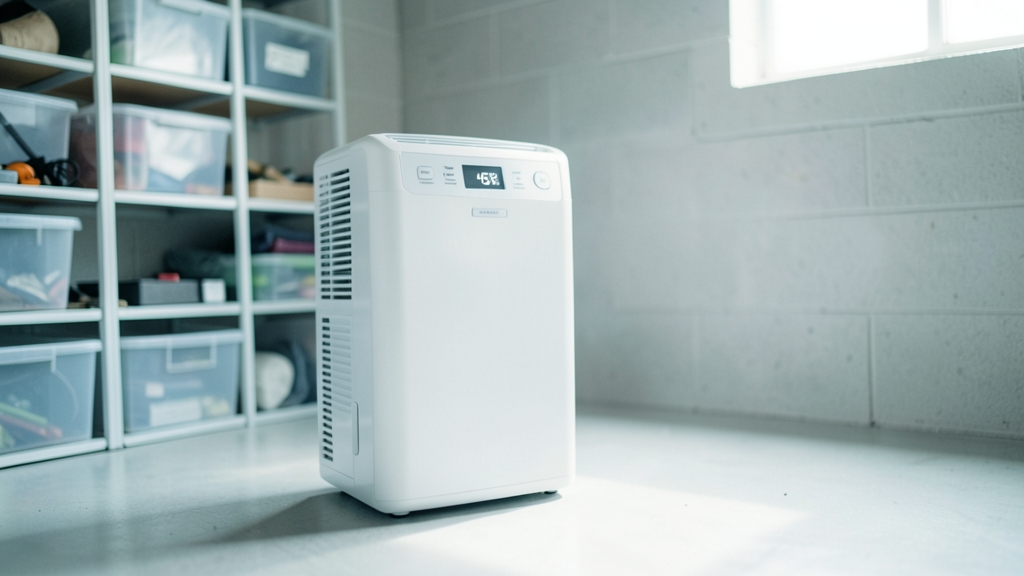
Control humidity with dehumidifiers, especially in basements or crawl spaces. Aim for 30–50% indoor humidity. In our coastal climate, even newer homes in Redwood City or San Carlos need vigilant maintenance.
Ensure proper grading around your foundation to direct water away. Regularly inspect roofs, gutters, and HVAC systems for leaks or condensation buildup.
Mold Prevention Checklist
- Use exhaust fans in bathrooms and kitchens
- Seal gaps around windows and doors
- Insulate pipes to prevent condensation
- Schedule annual HVAC maintenance
- Monitor crawl spaces and attics for moisture
Commercial Spaces: A Different Challenge
Offices, schools, and retail spaces in San Mateo or Foster City often have larger HVAC systems that can spread mold spores rapidly. We tailor remediation plans to minimize business disruption, often working after hours.
Air quality testing is critical in commercial settings, where occupant health and liability are major concerns. Our team documents every step for compliance and peace of mind.
How to Test for Mold in Your Home
If you suspect mold, follow these steps to assess the situation before calling professionals.
- 1Visual Inspection
Check common areas: bathrooms, basements, attics, and around windows. Look for discoloration, water stains, or peeling materials.
- 2Sniff Test
Mold has a distinct musty odor. If you notice it in one room, investigate adjacent spaces—spores travel through air ducts.
- 3Moisture Detection
Use a moisture meter (available at hardware stores) to check hidden areas. Readings above 15–20% indicate a problem.
- 4DIY Test Kits
Surface or air test kits can confirm mold presence, but lab analysis is required for identification. For accurate results, our team uses professional-grade equipment.
- 5Professional Assessment
If you find mold or can’t locate the source, request a quote for a comprehensive mold inspection and air quality testing.
Frequently Asked Questions
Can mildew turn into mold?
No, mildew and mold are different fungi, but they thrive in the same conditions. If left unchecked, a mildew problem can indicate excess moisture that may also foster mold growth elsewhere.
Is black mold common in Belmont homes?
Stachybotrys (black mold) isn’t the most common species, but it does appear in water-damaged areas with high cellulose content, like drywall or wood. Our damp climate increases the risk, especially after water damage.
How long does mold remediation take?
Timelines vary based on the extent of contamination and the affected materials. Small, contained areas may take 1–3 days, while large or hidden infestations in attics or crawl spaces can require a week or more. We provide a detailed estimate after inspection.
Will bleach kill mold?
Bleach can remove surface mold on non-porous materials like tile but doesn’t penetrate porous surfaces or kill roots. For effective remediation, we use EPA-approved antimicrobials and remove contaminated materials when necessary.
Does homeowners insurance cover mold remediation in California?
Coverage depends on your policy and the cause. Sudden water damage (e.g., a burst pipe) is often covered, but gradual issues like poor maintenance or humidity are typically excluded. Review your policy and request a quote for remediation costs.
Can mold return after remediation?
Yes, if the moisture source isn’t addressed. That’s why our process includes identifying and fixing the root cause—whether it’s a leak, poor ventilation, or high humidity. We also offer moisture control solutions to prevent recurrence.