How Professional Mold Remediation in Belmont Protects Your Indoor Air Quality
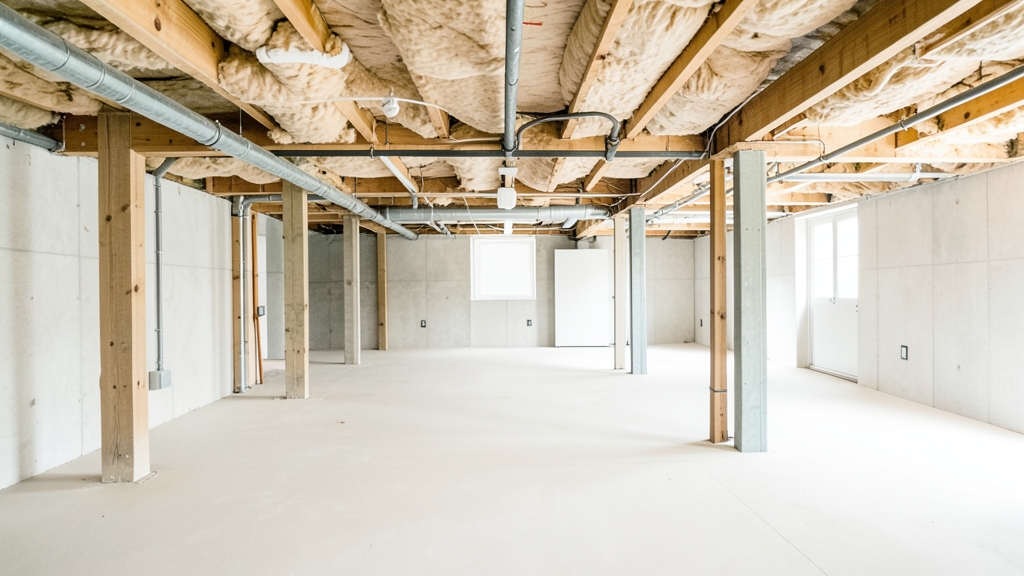
Poor indoor air quality in Belmont homes often stems from hidden mold growth, exacerbated by our coastal humidity and seasonal rains. Professional remediation doesn’t just remove visible mold—it restores air purity by addressing the root moisture issues that fuel spores.
Why Indoor Air Quality in Belmont Homes Is at Risk
Belmont’s mild, damp climate creates ideal conditions for mold to thrive, especially in attics, crawl spaces, and basements. Even small leaks or condensation can trigger growth within 24–48 hours.
Older homes in neighborhoods like Ralston or Belmont Hills often lack modern vapor barriers, making them more susceptible. Without intervention, spores spread through HVAC systems, compromising air quality.
The Hidden Link Between Mold and Poor Air Quality
Mold releases microscopic spores and mycotoxins that degrade indoor air. These particles can trigger allergies, respiratory issues, and even long-term health risks for sensitive individuals.
Unlike dust or pollen, mold spores multiply rapidly when moisture persists. This is why air quality testing is a critical first step before any remediation begins.
Prolonged exposure to elevated mold spores can worsen asthma, cause chronic sinusitis, or lead to immune system suppression. Children and the elderly are most vulnerable.
Signs You Need Professional Mold Remediation
Visible mold on walls, ceilings, or under sinks is an obvious red flag. But hidden growth in attics or crawl spaces often goes unnoticed until air quality tests reveal high spore counts.
Musty odors, persistent humidity, or water stains are early indicators. In Belmont, post-storm moisture or poor drainage around foundations can accelerate these issues.
Common Mold Warning Signs
- Unexplained musty smells, especially in basements or attics
- Water stains or discoloration on walls/ceilings
- Increased allergy symptoms indoors
- Condensation on windows or walls
- Peeling paint or warped drywall
How Mold Remediation Differs from DIY Cleanup
Surface cleaning with bleach only removes visible mold—it doesn’t address spores in the air or hidden within materials. Professional remediation uses HEPA filtration, containment barriers, and antimicrobial treatments to prevent recurrence.
In Belmont, where mold often lurks in crawl spaces or behind drywall, DIY efforts can inadvertently spread spores. Our team uses moisture meters and thermal imaging to locate every trace.
| Aspect | DIY Cleanup | Professional Remediation |
|---|---|---|
| Scope | Surface-level only | Full-structure assessment and treatment |
| Equipment | Household cleaners, gloves | HEPA air scrubbers, containment barriers, antimicrobials |
| Spore Removal | Minimal (often spreads spores) | Comprehensive (HEPA filtration captures airborne spores) |
| Moisture Control | None | Identifies and fixes root moisture sources |
| Long-Term Prevention | Unlikely | Includes vapor barriers, dehumidifiers, and ventilation upgrades |
The Role of Moisture Control in Lasting Solutions
Mold remediation without moisture control is temporary. In Belmont, we often install crawl space encapsulation, improve attic ventilation, or recommend dehumidifiers to maintain safe humidity levels (below 50%).
For homes in low-lying areas near San Carlos or Foster City, sump pumps or French drains may be necessary to prevent groundwater seepage.
Run bathroom and kitchen exhaust fans for at least 30 minutes after use. In Belmont’s humid summers, this small habit can prevent mold before it starts.
Air Quality Testing: The First Step to a Healthier Home
Before remediation, we conduct thorough mold testing and air quality analysis to identify spore types and concentrations. This data guides our approach, whether it’s targeted attic mold remediation or full-home treatment.
Post-remediation testing confirms success, ensuring spore levels return to safe, natural baselines. This is especially critical for families with respiratory sensitivities.
Commercial Mold Remediation for Belmont Businesses
Offices, schools, and retail spaces in Belmont face unique challenges. HVAC systems can distribute spores across large areas, while high foot traffic increases moisture introduction.
Our commercial mold remediation includes duct cleaning, containment protocols to avoid business disruption, and customized moisture control plans for properties in San Mateo or Redwood City.
How to Maintain Indoor Air Quality After Mold Remediation
Preventing mold’s return requires consistent moisture management and vigilance.
- 1Monitor Humidity Levels
Use a hygrometer to keep indoor humidity below 50%. In Belmont’s wet winters, dehumidifiers in basements or crawl spaces are often necessary.
- 2Inspect for Leaks Regularly
Check under sinks, around windows, and near appliances for moisture. Address leaks immediately to prevent new growth.
- 3Improve Ventilation
Ensure bathrooms, kitchens, and laundry rooms have functioning exhaust fans. Consider whole-home ventilation systems for older properties.
- 4Use Mold-Resistant Materials
When renovating, opt for moisture-resistant drywall, paint, and insulation, especially in prone areas like basements or attics.
- 5Schedule Annual Air Quality Tests
Even without visible mold, annual testing catches spore buildup early. This is a smart investment for Belmont homeowners near water-prone areas.
Frequently Asked Questions
How long does professional mold remediation take in Belmont?
Timelines vary based on the extent of growth and affected areas. A typical attic or crawl space remediation takes 1–3 days, while whole-home treatments may require a week. We provide a detailed estimate after inspection.
Can mold return after remediation?
Yes, if the underlying moisture issue isn’t resolved. That’s why our process includes identifying and fixing leaks, improving drainage, and recommending humidity controls tailored to Belmont’s climate.
Is mold testing necessary if I can already see mold?
Absolutely. Visible mold is just part of the problem. Testing reveals the type of mold, spore concentration in the air, and hidden growth in areas like ductwork or behind walls. This ensures a targeted, effective remediation plan.
Does homeowners insurance cover mold remediation in Belmont?
Coverage depends on your policy and the cause of the mold. Sudden water damage (e.g., a burst pipe) is often covered, but gradual issues like poor ventilation typically are not. We recommend reviewing your policy and requesting a quote for clarity.
What’s the difference between mold removal and mold remediation?
Mold removal refers to eliminating visible mold, while remediation addresses the root cause—moisture—and includes cleaning, sanitizing, and preventing regrowth. Remediation is the only way to ensure long-term air quality improvement.
Are there specific mold risks in Belmont’s older homes?
Yes. Older homes, common in areas like Belmont Park, often have poor ventilation, outdated plumbing, or lack vapor barriers. These factors increase the likelihood of hidden mold in attics, crawl spaces, and basements. A professional inspection can uncover these risks.